Quick Answer: What To Do When Your Sump Pump Fails
Cut power to the basement circuit, move valuables to higher ground, photograph everything for your insurance carrier, and call a 24/7 water mitigation company. Do not run extension cords into standing water. Do not assume a wet/dry shop vac will handle more than two inches across a finished basement. For losses over 100 square feet of saturation, professional extraction with truck-mounted units removes water 50 to 100 times faster than consumer equipment.
Why Sump Pumps Fail in Flora Basements
Most sump pump failures in Central Indiana fall into five repeatable categories. Knowing which one hit you helps your claim and your repair plan.
| Failure Type | Common Cause | Typical Warning Signs |
|---|---|---|
| Power loss | Storm outage, tripped GFCI | Pump silent during heavy rain |
| Stuck float switch | Debris, tether tangle | Pump runs constantly or never starts |
| Motor burnout | Age over 7-10 years, overuse | Humming, no water movement |
| Frozen or clogged discharge | Ice, sediment, kinked hose | Pump cycles but pit stays full |
| Undersized capacity | 1/3 HP pump on a high water table | Pump runs nonstop, can't keep up |
The Flora Factor
Heavy clay soil across much of Central Indiana sheds water poorly, which means your sump pit fills faster during spring storms than the same home would in a sandier region. A 1/3 HP pump that worked fine for ten years can suddenly fall behind after a single 3-inch rain event. Neighborhoods built before 1990 often have older perimeter drain tile that has partially collapsed or silted in, sending more groundwater toward the pit than the original system was designed to handle. If your home sits at the low point of a cul-de-sac or backs up to a retention pond, expect your pump to work harder than your neighbor's three doors down.
Preventing the Next Failure
- Install a battery backup pump rated for at least 8 hours of runtime
- Replace primary pumps every 7 to 10 years, sooner if cycling constantly
- Test monthly by pouring 5 gallons into the pit
- Clear the discharge line of debris each spring and fall
- Add a high-water alarm with a phone alert (under $50)
- Consider a water-powered backup if you lose power frequently
- Install a check valve to prevent backflow when the pump shuts off
- Keep the pit covered with a sealed lid to reduce radon and humidity
What We Tell Flora Homeowners Honestly
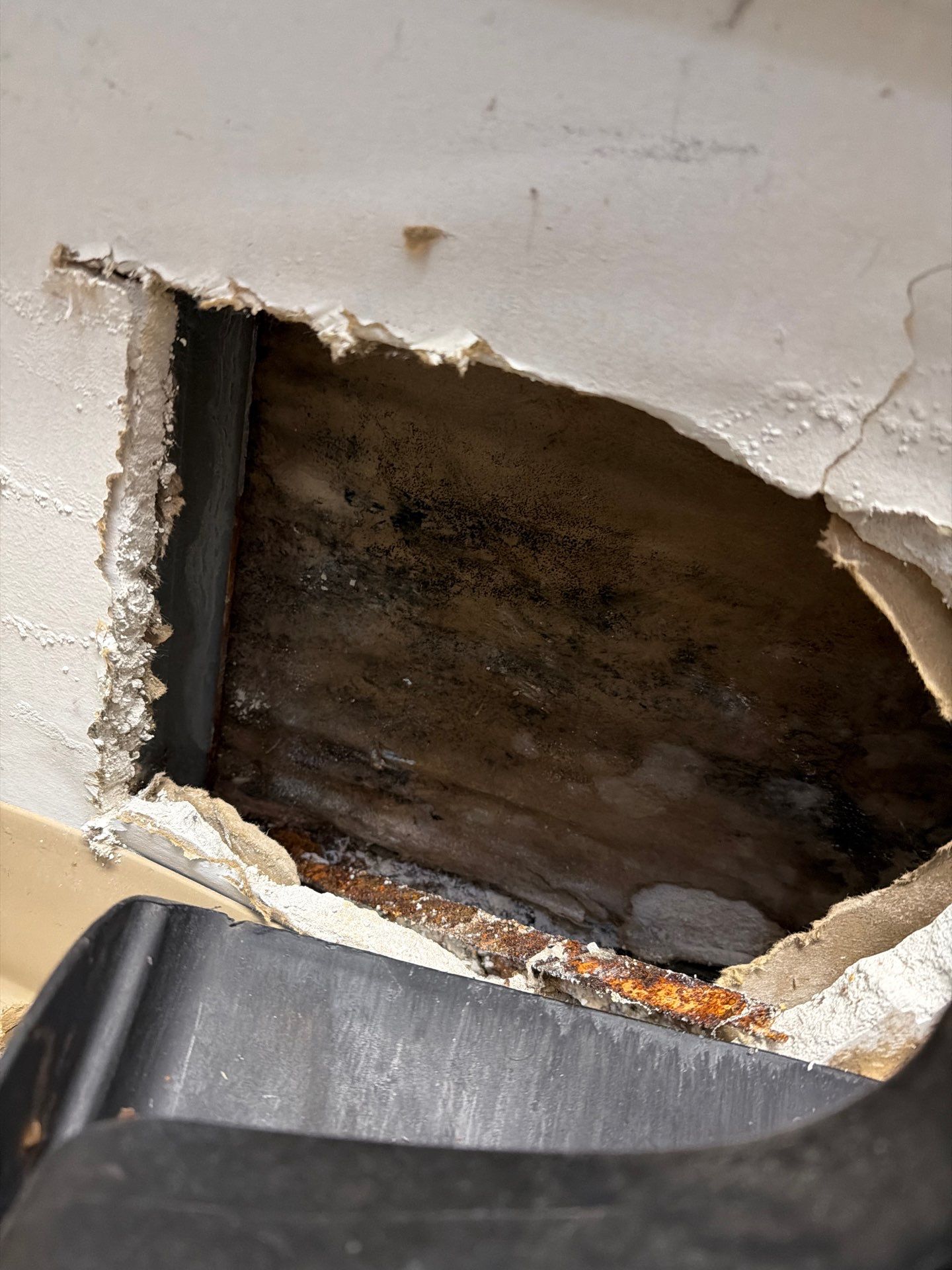
If the damage is limited to an unfinished concrete floor with under an inch of clean water, you may be able to handle it with a rented extractor and fans. If drywall, carpet pad, or insulation got wet, the 72-hour mold window is real, and you need commercial equipment. If we cannot help, we will tell you directly. The worst outcomes we see in Flora are not the floods themselves, they are the homes that sat damp for a week before anyone called, because by then the repair scope has doubled and mold remediation is on the invoice.
Immediate Action Checklist (First 60 Minutes)
- Shut off the basement circuit at your main electrical panel.
- Stop any active water source if a discharge line burst inside.
- Photograph water height on walls, soaked items, and the pump itself.
- Move electronics, photo boxes, and furniture upstairs or onto blocks.
- Pull rugs and small textiles out of the water within 30 minutes.
- Call your insurance carrier to open a claim file.
- Call a restoration company for emergency water damage restoration response.
- Do not turn HVAC on, it will spread humidity and mold spores.
What Not To Do
- Do not wade into standing water if you cannot confirm the power is off at the panel.
- Do not use a household vacuum or shop vac rated only for dry debris.
- Do not throw away damaged items before your adjuster sees them or you have date-stamped photos.
- Do not pull up tack strips or rip drywall yourself if you expect to file a claim, document first.
- Do not run a gas generator inside the basement or attached garage, carbon monoxide builds quickly.
Cost Ranges for Flora Sump Pump Floods
| Scope of Loss | Typical Cost | Drying Timeline |
|---|---|---|
| Minor (under 2 inches, unfinished) | $1,200 to $2,800 | 2-3 days |
| Moderate (finished basement, drywall affected) | $3,500 to $7,500 | 4-6 days |
| Major (full basement, multiple rooms) | $8,000 to $18,000 | 7-10 days |
| Sewage-contaminated | $10,000 to $25,000+ | 7-14 days |
Homeowners insurance treatment varies. Sudden pump failure is often covered. Gradual seepage usually is not. For a full breakdown of how carriers handle these claims, see our flooded basement cleanup cost guide.
Sump Pump Endorsement vs Standard Policy
Most standard HO-3 policies in Indiana exclude water that backs up through a sump, drain, or sewer unless you carry a specific endorsement. These riders typically run $50 to $150 per year and cap coverage between $5,000 and $25,000. If you finished your basement in the last five years and never updated your policy, call your agent today, not after the next storm. We see this gap turn a covered loss into an out-of-pocket loss almost every spring in Flora.
What Professional Response Looks Like
When Flora Water Restoration arrives at a Flora basement flood, the first 30 minutes are diagnostic and extractive, not cosmetic. Here is the sequence you should expect from any IICRC-certified crew:
- Moisture mapping with thermal imaging and penetrating meters
- IICRC water category assessment (Cat 1 clean, Cat 2 gray, Cat 3 black)
- Truck-mounted extraction of standing water
- Controlled demolition of unsalvageable drywall, insulation, baseboards
- Placement of commercial air movers and LGR dehumidifiers
- Daily moisture readings logged for your insurance file
- Antimicrobial application to prevent secondary mold growth
If your sump pump backup involved any sewage intrusion, the job shifts categories and requires the protocols outlined in our sewage backup cleanup guide. Category 3 water is a different animal: porous materials usually get removed, not dried.