Commercial Storm Damage in Flora, IN
Multitenant buildings and warehouse slabs get commercial drying capacity across Flora and Carroll County.
Flora Water Restoration provides professional Commercial Storm Damage in Flora: emergency availability every day of the year, certified crews, and coordination with your insurance carrier on approved claims. Call (765) 517-7678.
- Service: Commercial Storm Damage for Flora homeowners
- Service area: Flora, IN and surrounding areas
- Response time: Around the clock dispatch; Flora emergencies move to the front of the line
- Licensed and insured (License #RC21100059)
- Serving Flora, IN since 2018
Commercial Storm Damage for Flora Businesses
Ceiling tiles sag, then one lets go, and the water that was sitting in the plenum lands on a tenant's workstations. By then the batt insulation above the grid has been wet long enough to matter. Flora Water Restoration takes commercial water intrusion calls in Flora with a two hour dispatch, pulls the saturated tile and insulation, and gets air moving in the plenum before the gypsum above it starts to fail.
Commercial storm water work in Flora follows the IICRC S500, Fifth Edition, from 2021, and the IICRC S520 applies if wet insulation or gypsum has started growing mold. Flora Water Restoration logs temperature, humidity and material moisture daily against a dry standard from an unaffected part of your building, so the drying progress is on paper. The company's water restoration manager is IICRC certified.
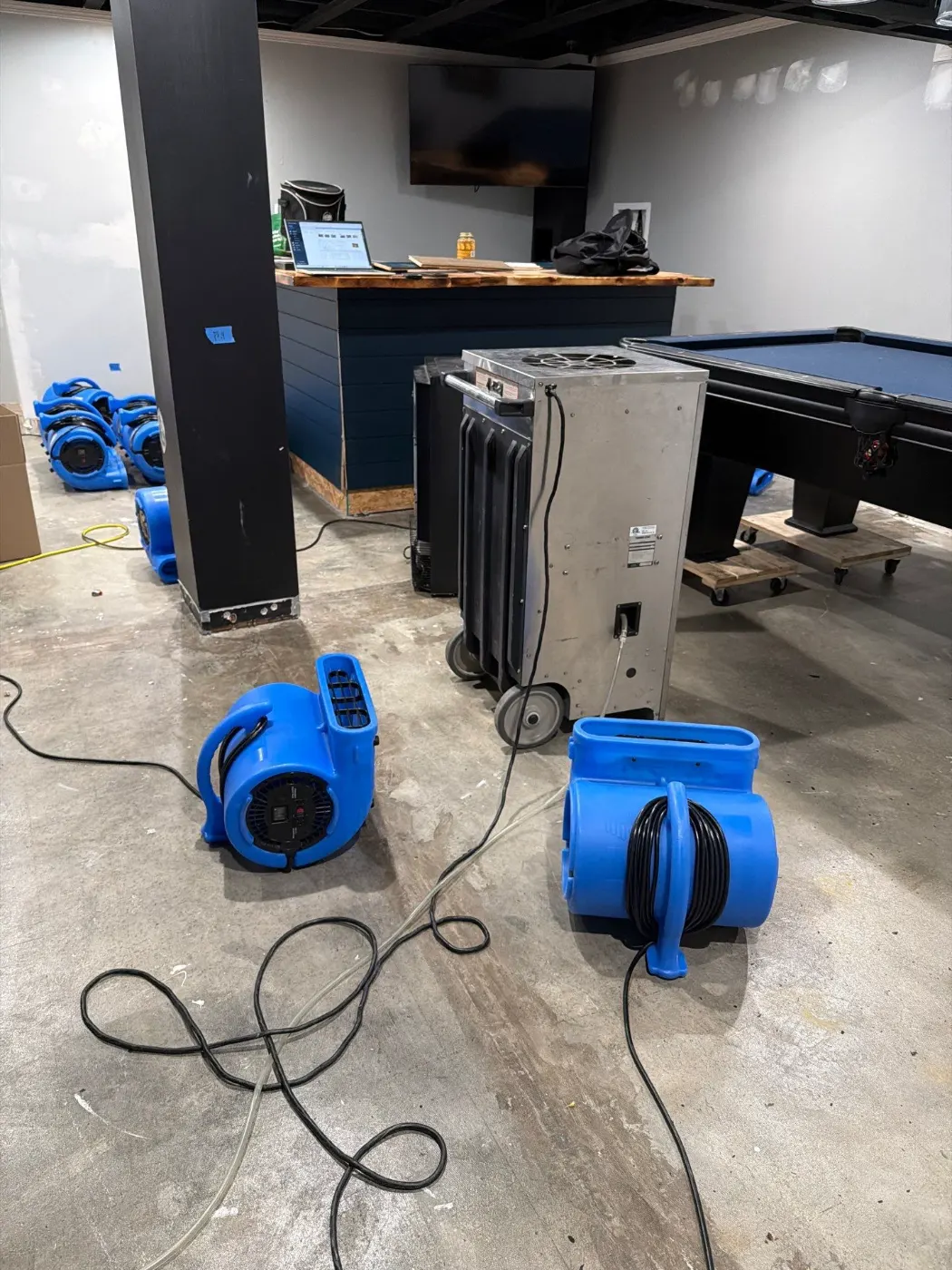
Dehumidifiers and air movers draw real amperage, and a commercial floor plate only has so many circuits to give. Flora Water Restoration crews calculate the amperage before anything gets plugged in, pull from panels that can carry it, and bring distribution boxes or generator capacity when the panels can't. Equipment placement gets logged by location and run hours, which is also what the carrier's reviewer asks for later.
You can authorize emergency mitigation before an adjuster has been out, and your policy may expect you to limit further damage, so check it or ask your broker. Flora Water Restoration gets a signed work authorization and a scope for the emergency phase, documents preexisting condition where it's visible, and keeps the mitigation invoice separate from reconstruction so each piece can be reviewed on its own terms.
Call Flora Water Restoration to get commercial storm intrusion in Flora, IN stopped and documented. Dispatch runs day or night, with desiccant and refrigerant drying capacity for open floor plates and a file your carrier's reviewer can follow. Property managers and owners can call with questions at any point in the job.
Signs You Need Commercial Storm Damage Restoration
If you notice any of these in your Flora building, schedule a free inspection before the issue worsens.
Paint blistering or wall covering bubbling on a wall that backs up to the exterior
Vinyl tile or glue down carpet lifting at the seams out in the middle of a floor plate
Open seams, shrinkage at a membrane lap, or a corner of the roof lifting in wind
Standing water ponding on the roof more than two days after the rain stopped
Fresh brown rings on ceiling tile directly under an interior roof drain line
Ceiling tiles sagging, stained brown at the center, or crumbling along the grid in one area of a floor
Stains that start at the top floor and reappear on the same wall two floors down
Fan coil or convector cabinets along a window wall holding water at the bottom
Mechanical room floor drains that fill during heavy rain and empty slowly afterward
Stored records or fixtures with wet edges or water stains along the bottom
How Flora Water Restoration Handles Commercial Storm Damage
We follow these steps in order on every Flora job.
Water Path Check
The crew traces the water from the roof breach down through the ceiling to the floors below and photographs the path. Water that backed up out of a drain tied into a sanitary line gets handled as sewage, and that call drives the protocol.
Cavity Inspection Openings
Where meters or thermal imaging point to hidden water, the crew opens a small inspection hole or lifts a tile. What the probe finds inside decides how much larger the cut needs to be.
Daily Readings Logged
Each day brings temperature, relative humidity and material moisture readings logged against an unaffected baseline elsewhere in the building. Equipment moves based on what the numbers show. The property manager gets the readings and the photos the same day.
Midpoint Scope Review
Partway through the job, the crew compares the readings with the projected equipment period and tells the property manager if the schedule or the scope has moved. Added removal is photographed and explained before the work starts.
Equipment Out and Space Release
As each area reaches its dry goal, the equipment comes out of it and the space goes back to the tenant. The release date and final readings for every area go in the file.
Commercial Storm Damage in Flora
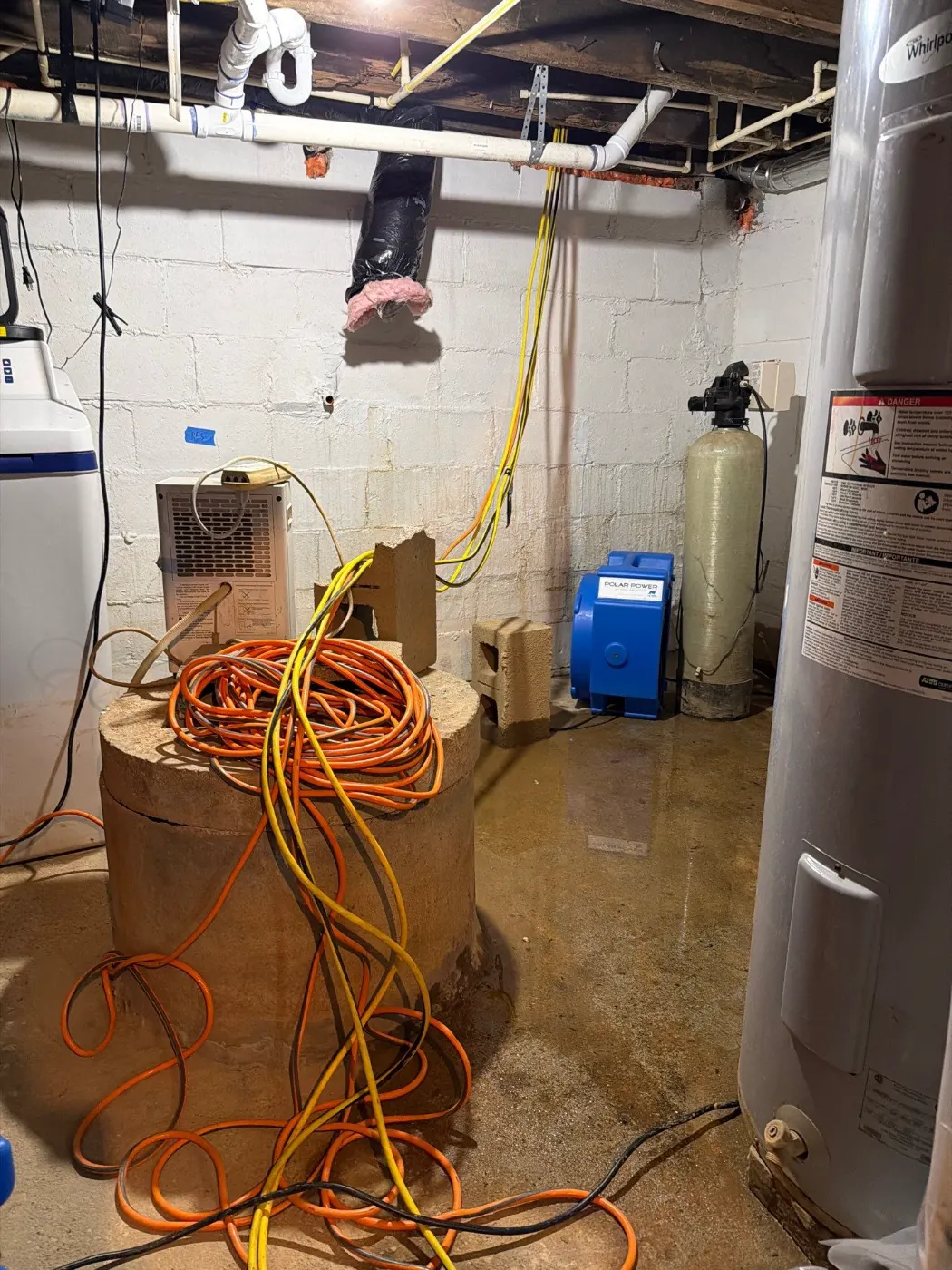
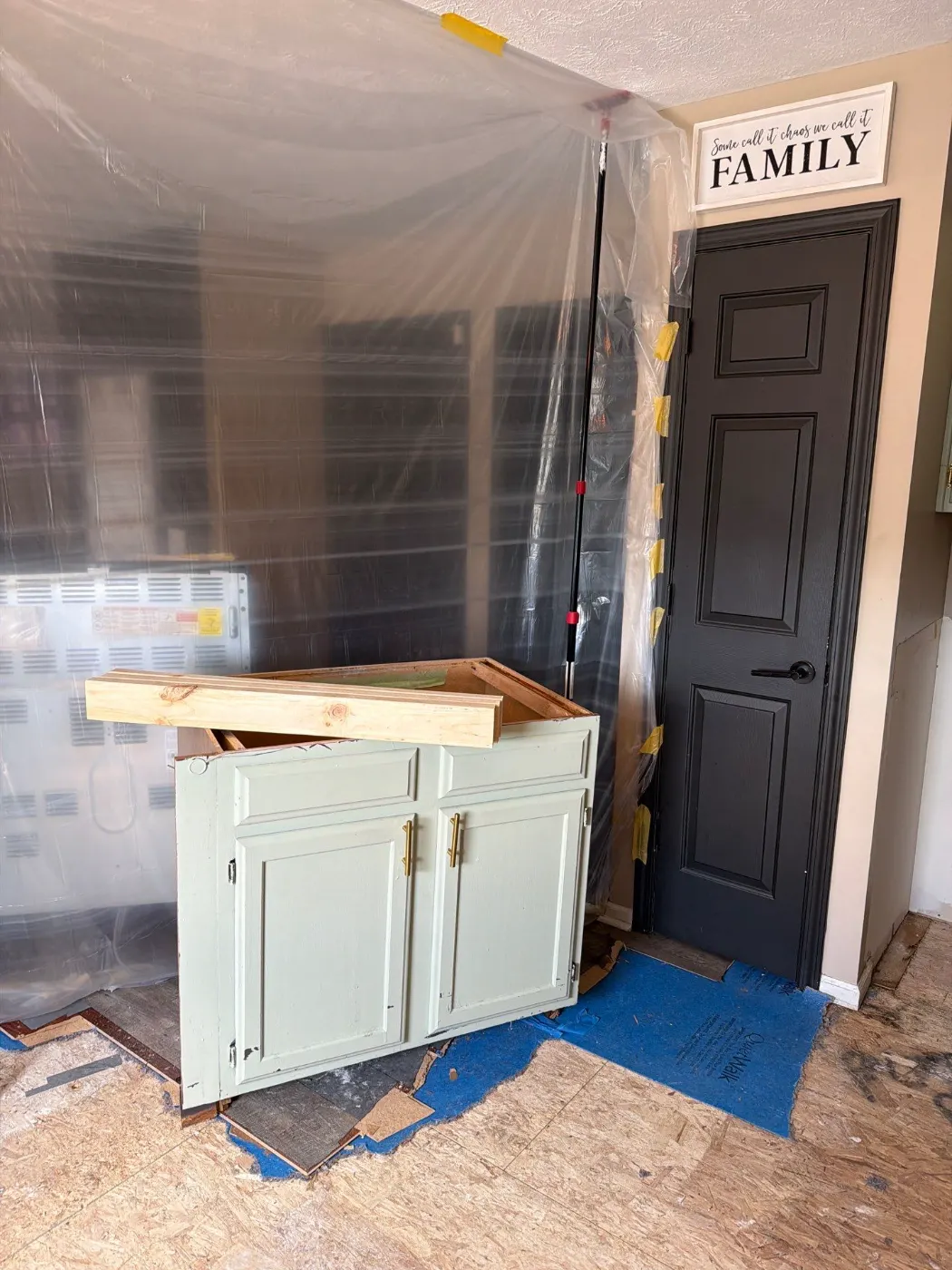
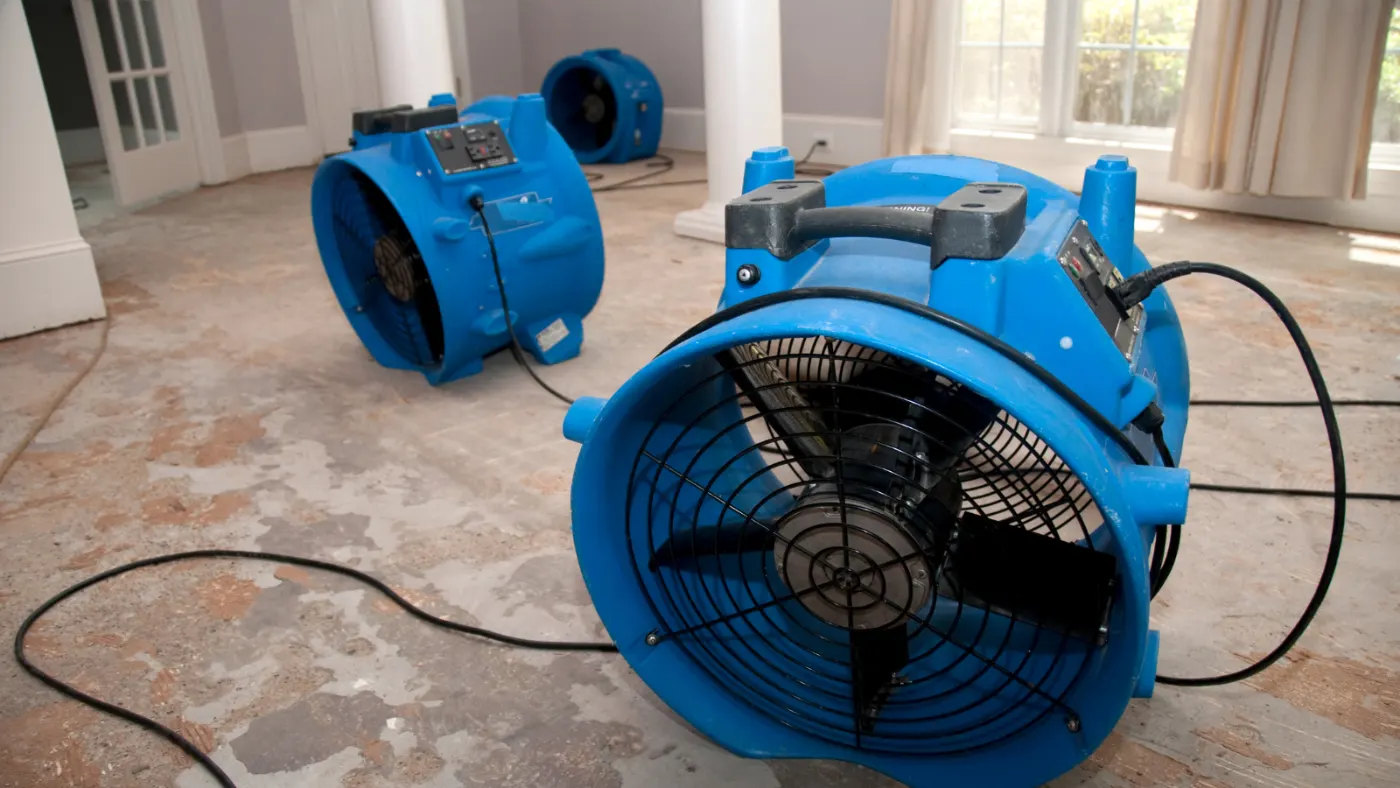
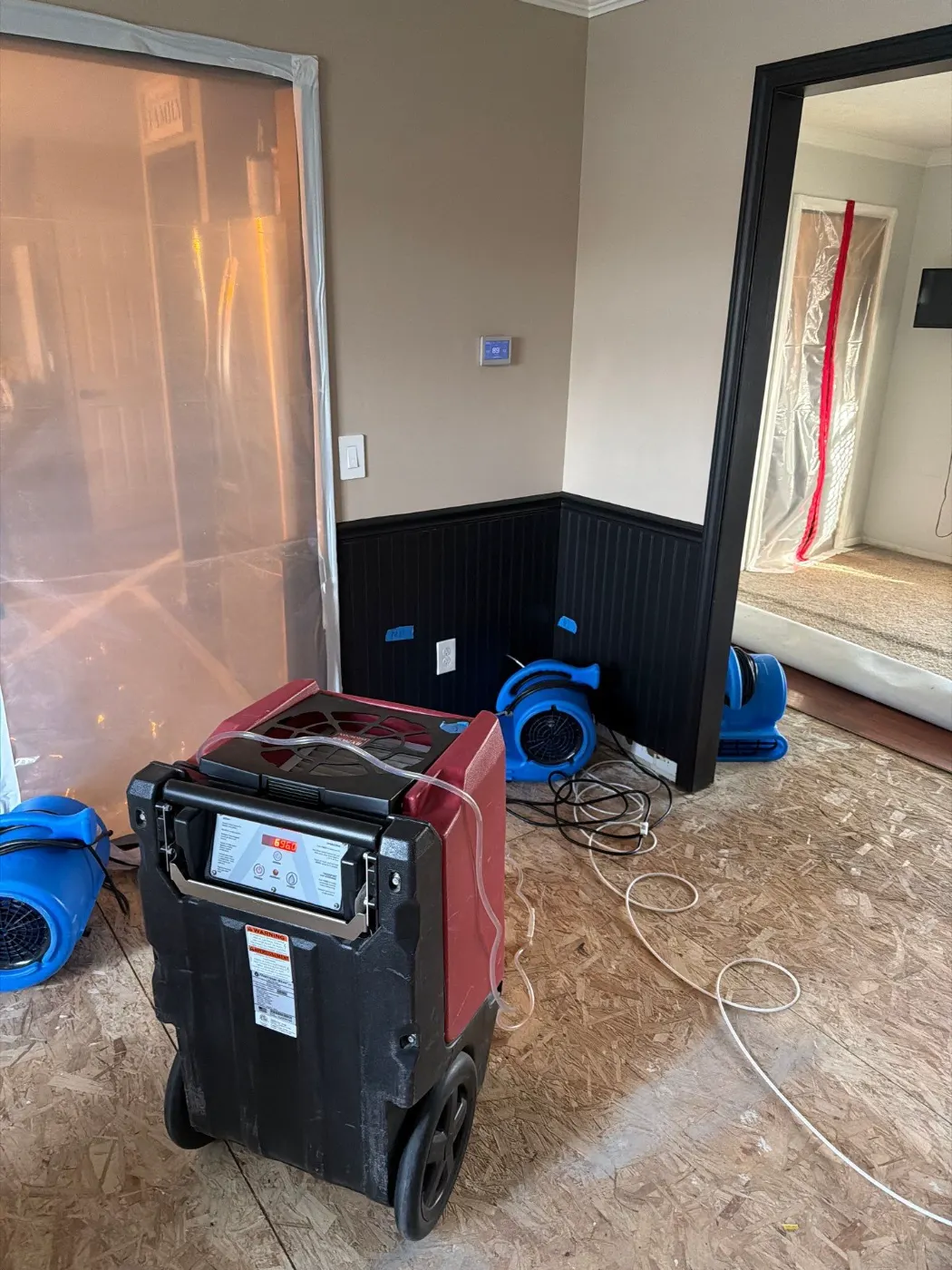
Photographs from real commercial storm damage jobs completed by our crew in Flora and surrounding areas.
Commercial Storm Damage FAQ
Questions Flora property managers ask us about commercial storm damage restoration.
Guidance and Standards for Commercial Storm Damage
- The National Weather Service office in Indianapolis posts summaries of recent central Indiana storm and flood events. NWS Indianapolis Event Summaries
- The ANSI/IICRC S500 is the published standard for professional water damage restoration. The current edition is the Fifth Edition, 2021. IICRC S500 Standard
Flora Neighborhoods We Serve
We take commercial storm damage calls in every part of Flora. Pick your neighborhood for local details.
Other Restoration Services in Flora
Flora Water Restoration handles the full scope of restoration work. Explore our other services below.
Water Damage Restoration in Flora
24/7 emergency response. IICRC certified water restoration from extraction to full dry out.
Learn more →Basement Flooding in Flora
Basement water emergencies handled fast. Extraction, drying, mold prevention.
Learn more →Sewage Cleanup in Flora
Category 3 biohazard cleanup. Full containment, decontamination, structural restoration.
Learn more →Request Commercial Storm Damage Restoration
Reach Us Directly
Our team is available 24/7 for emergencies and ready to schedule inspections during business hours.
Need Immediate Help?
For active water or mold emergencies, call us directly. We are available 24/7.